
Homeschooling in an RV: A Complete Beginner’s Guide to Roadschooling
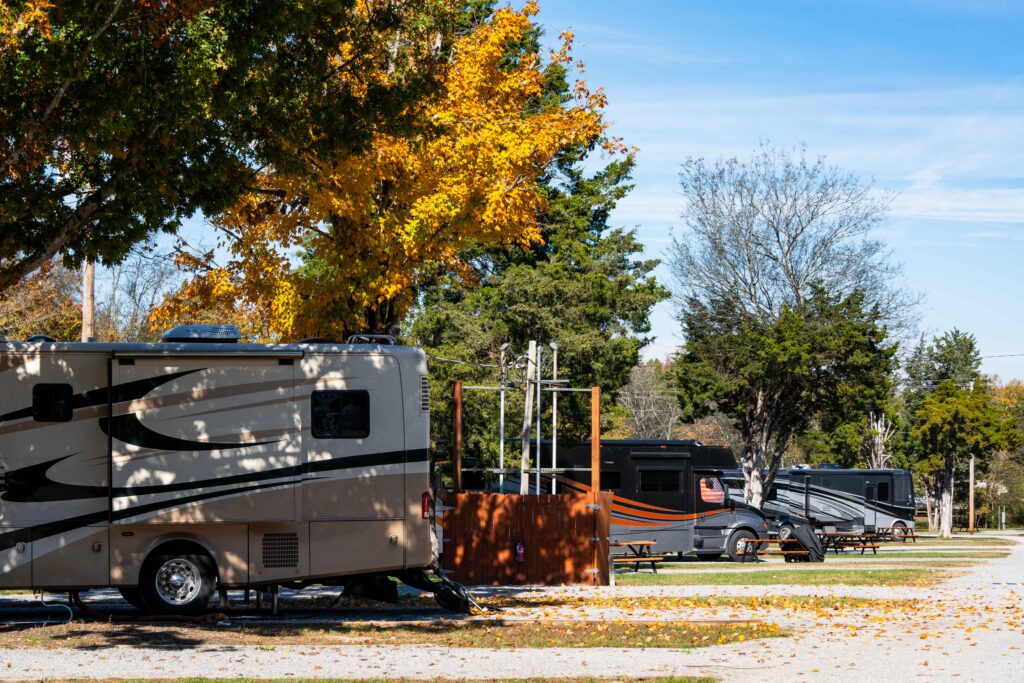
Today, families are looking for different ways to teach their children, and one option is homeschooling in an RV. According to the U.S. Census 2024, approximately 4.6 million students are homeschooled. Educating your kids in an RV is full-time travel plus homeschooling. It helps your kids to adventure differently compared to those who follow a schooling routine. In this article, we will guide you through homeschooling in an RV, from creating a flexible learning schedule to choosing the right educational resources and making the most of your travels as a learning experience. What Is Roadschooling? Roadschooling is simply homeschooling while you travel. Instead of sitting in one classroom every day, your family turns the road into the lesson. A morning might start with math at the dinette and end with a hike along a state park trail or a hands-on afternoon at a local museum. The idea is to blend everyday travel with real learning, so the places you visit become part of the education. This approach gives families a lot of freedom. You can slow down when a subject clicks, spend extra time on something your child loves, and take breaks whenever the season or the scenery calls for it. Middle Tennessee happens to be a wonderful place to try it, since so much history, nature, and hands-on learning sits within a short drive of our family-owned RV park. Is Homeschooling in an RV Legal? Yes, homeschooling in an RV is completely legal. The part that trips up most beginners is understanding that homeschool rules are set by each state, not by the federal government. You follow the laws of your home state, which is the state where you keep your residency, driver’s license, and voter registration, even while you travel elsewhere. If Tennessee is your home base, the rules are friendly and easy to follow. Here is what independent homeschooling in Tennessee generally asks of parents: Tennessee does not require you to follow a set curriculum or a particular teaching style, which leaves plenty of room for learning on the road. Rules do change from time to time, so it is smart to confirm the current requirements with your local district before you begin. How to Create a Flexible Learning Schedule One of the best parts of roadschooling is that you set the rhythm. You do not have to copy a traditional bell schedule inside a small space. Instead, build a routine that fits your family and your travel plans. Many road families find that a shorter, focused block works better than a long day at a desk. A calm morning of core subjects often leaves the afternoon free for exploring, which is where a lot of the real learning happens. When you arrive somewhere new, you can lean into field trips. When you settle in for an extended stay at a monthly RV site, you can add more structure. A few simple habits keep things on track: Choosing the Right Educational Resources You do not need a full classroom to teach well in an RV. The goal is to pick resources that travel light and work without a lot of setup. Many families lean on a mix of online lessons, printed workbooks, and library books they swap out along the way. When you compare options, keep an eye out for resources that fit small-space, on-the-road life: The area around Middle Tennessee also doubles as a living classroom. History comes alive at the nearby historical sites and the James K. Polk Home in Columbia. Science and nature lessons fit right in at Henry Horton State Park or along the trails at Cheek’s Bend Bluff and the Maury County parks. Even a paddle on the Duck River can turn into a lesson on rivers, wildlife, and the outdoors. Tips for a Smoother Roadschooling Journey Every family finds its own groove, but a few lessons come up again and again from those who have done it: Final Thoughts Homeschooling in an RV lets your family learn together while the country becomes your classroom. With a flexible schedule, a few good resources, and a comfortable place to park, roadschooling can be one of the most rewarding ways to raise and teach your children.